

Getting into a car accident is jarring enough, but when the other driver speeds away from the scene, it adds a profound layer of shock and injustice to an already traumatic event. You’re left not only with physical injuries and a damaged vehicle but also with a cascade of urgent questions. Who will pay for your medical care? How can you hold someone accountable when they’ve simply disappeared?
If you were injured in a hit-and-run accident in Indiana, it’s crucial to know that you are not without options. Understanding what steps to take if you are injured in a hit-and-run accident can help protect your health and your ability to seek financial recovery.
Key Takeaways for What to Do After a Hit-and-Run Accident
- A hit-and-run accident occurs when a driver involved in a collision intentionally leaves the scene without providing contact information or rendering aid.
- Indiana law requires drivers to stop after an accident, and fleeing the scene can result in serious criminal penalties.
- An individual’s own auto insurance policy, specifically Uninsured Motorist (UM) coverage, is often the primary source of compensation after being injured in a hit-and-run accident.
- Gathering evidence, such as witness statements and any details remembered about the fleeing vehicle, is crucial for both a police investigation and an insurance claim.
- There are specific time limits, known as the statute of limitations, for filing a personal injury claim in Indiana.
The First Steps to Take After a Hit-and-Run Collision
Once you are safely home after receiving any immediate medical attention you need, the process of protecting your rights begins. The actions you take in the hours and days following the incident can significantly impact your ability to recover. Your mind might be racing, so focusing on a few key tasks can bring a sense of control back to a chaotic situation.
First and foremost, write down everything you can remember about the accident. The human memory can fade quickly, especially after a traumatic event. Capturing details while they are still fresh is incredibly helpful.
- The Other Vehicle: What was the make, model, and color? Did you notice any specific features like a roof rack, bumper stickers, or visible damage? Even a partial license plate number is immensely valuable.
- The Driver: Could you see the driver? If so, try to recall their gender, approximate age, hair color, or anything they were wearing.
- The Accident Scene: Where exactly did the collision happen? Note the street names, the direction you were traveling, the time of day, and the weather conditions. Think about nearby businesses, perhaps a gas station on 116th Street in Fishers, that might have security cameras.
Documenting these details provides a foundation for the police report and any subsequent insurance claims.
Next, continue to prioritize your health. See a doctor even if you feel your injuries are minor. Some serious conditions, like concussions or internal injuries, may not show symptoms immediately. A medical record creates an official link between the accident and your injuries. Keep a file of all medical bills, reports from your doctor, and receipts for any prescription medications.
Finally, it is important to report the accident to your own insurance company. Even though another driver was at fault, your policy is your first line of defense in a hit-and-run scenario. Provide them with the facts of what happened, but be cautious about giving a recorded statement or accepting a quick settlement offer until you fully understand your rights and the extent of your injuries.
Understanding Indiana’s Hit-and-Run Laws
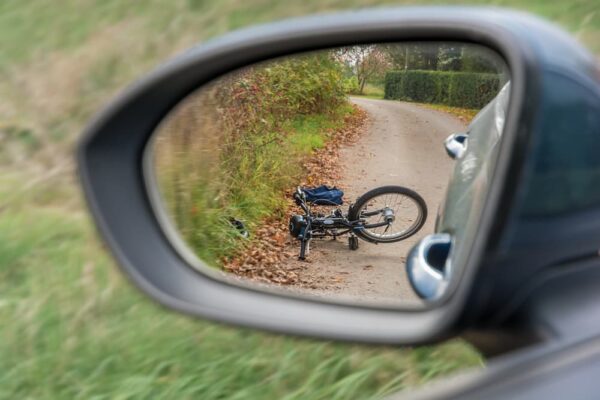 In Indiana, the legal term for a hit-and-run is “leaving the scene of an accident.” The law is very clear about a driver’s obligations following a collision. According to Indiana law, any driver involved in an accident that results in injury, death, or property damage has a legal duty to stop.
The law requires a driver to:
- Immediately stop their vehicle at the scene or as close as possible without obstructing traffic more than necessary.
- Provide their name, address, and vehicle registration number to the other party.
- Show their driver’s license if requested.
- Render “reasonable assistance” to anyone injured, which includes arranging for medical help.
Failing to meet these obligations is a crime. The severity of the charge depends on the outcome of the accident. It is typically a misdemeanor if there is only property damage, but it can become a serious felony if someone is injured or killed. These laws are in place to ensure accountability and prevent drivers from evading responsibility for the harm they cause.
Who Pays for Your Damages When You Are Injured in a Hit-and-Run Accident?
This is the most pressing question for most people injured in a hit-and-run accident. When the at-fault driver is unknown, who covers your medical bills, lost wages, and other damages? The answer usually lies within your own auto insurance policy. Indiana requires drivers to carry liability insurance, but it also mandates that insurance companies offer Uninsured Motorist (UM) and Underinsured Motorist (UIM) coverage.
Uninsured Motorist coverage is specifically designed for situations like this. In the eyes of the insurance company, a “phantom” driver in a hit-and-run is treated as an uninsured driver. Your UM coverage steps in to play the role that the at-fault driver’s insurance would have played if they had been identified and insured.
Here are the potential sources for financial recovery:
- Uninsured Motorist (UM) Bodily Injury Coverage: This part of your policy can cover medical expenses, lost income from being unable to work, and compensation for pain and suffering resulting from your injuries.
- Uninsured Motorist (UM) Property Damage Coverage: This covers the repairs to your vehicle if you have this specific type of coverage.
- Medical Payments Coverage (MedPay): This is optional coverage in Indiana that helps pay for your and your passengers’ medical bills, regardless of who was at fault in the accident. It can provide immediate funds while the larger UM claim is being processed.
Handling a claim with your own insurance company might sound straightforward, but it can be an adversarial process. Remember, their goal is often to pay out as little as possible, even to their own policyholders. This is why careful documentation and a clear understanding of your policy are so vital.
The Critical Role of Evidence in a Hit-and-Run Claim
 Proving your case is essential, whether you are dealing with your own insurance company or if the at-fault driver is eventually found. Because the other party isn’t there to give their side of the story, the burden falls on you to build a compelling narrative supported by solid evidence. Your word is important, but physical and third-party evidence strengthens your claim.
Gathering Information You Already Have
Start with the notes you made immediately after the accident. The details you recorded about the vehicle, driver, and location are the starting point for any investigation. Review these notes to see if anything else comes to mind. Did you notice the direction the car fled? Were there other cars on the road that might have witnessed the event?
Every small piece of information can be a clue. The official police report is another critical document. You should obtain a copy as soon as it’s available and review it for accuracy.
Seeking Out New Evidence
You can also be proactive in searching for additional proof. If your accident happened in a commercial area, like near the shops at Hamilton Town Center, revisit the scene. Politely ask managers of nearby stores, restaurants, or offices if they have exterior security cameras that might have captured the collision or the fleeing vehicle. Many businesses are willing to help, especially when they know someone was injured.
Look for residential witnesses, too. If the accident occurred in a neighborhood, someone might have seen or heard something from their home. A neighbor’s doorbell camera could hold the key piece of evidence needed to identify the driver. The more evidence you can gather, the stronger your position will be when seeking the compensation you need to recover from being injured in a hit-and-run accident.
Why You Should Be Cautious When Speaking to Insurance Companies
After you file a claim under your UM coverage, an adjuster from your own insurance company will be assigned to your case. It is easy to assume they are on your side because you are their customer, but it’s important to remember that they work for the insurance company. Their job is to evaluate your claim and resolve it for the lowest possible amount.
Adjusters are trained negotiators. They may ask for a recorded statement early on, hoping you might say something that could be used to diminish your claim later. For example, if they ask, “How are you feeling?” and you instinctively reply, “I’m okay,” they may note that you weren’t seriously injured, even if you were just being polite.
Here are a few things to keep in mind when communicating with any insurance adjuster:
- Stick to the facts: Provide only the basic, factual details of the accident. Do not speculate on what happened or offer opinions about your injuries.
- Decline a recorded statement: You are generally not required to provide a recorded statement without legal counsel present. It’s often wise to politely decline until you have had a chance to discuss your case with an attorney.
- Don’t accept a quick offer: The first offer is rarely the best one. It is often a low amount intended to close the case quickly before the full extent of your injuries and financial losses are known.
Having an experienced advocate on your side can level the playing field, ensuring that the insurance company treats you fairly and honors the terms of the policy you have paid for.
What if the At-Fault Driver is Found?
 Thanks to witness tips, surveillance footage, or diligent police work, the driver who fled the scene is sometimes identified. If this happens, your path to compensation changes significantly.
Once the driver is located, your claim proceeds much like a typical car accident case. Instead of relying on your own Uninsured Motorist coverage, you can file a claim against the at-fault driver’s bodily injury liability insurance. Your attorney can send them a formal notice of claim, beginning the process of negotiating a settlement that covers your damages.
It is also important to understand that the criminal case against the driver is separate from your civil claim for compensation.
- Criminal Case: The state of Indiana will prosecute the driver for leaving the scene of an accident. If convicted, they may face fines, license suspension, or even jail time. This case is about penalizing the driver for breaking the law.
- Civil Case: This is your personal injury claim. It is focused on recovering financial compensation for your medical bills, lost wages, property damage, and pain and suffering.
The outcome of the criminal case can sometimes help your civil case, for example, a guilty plea is a strong admission of fault. An experienced personal injury attorney can manage your civil claim while the criminal justice process unfolds, ensuring your rights are protected throughout.
FAQs: What to Do if You Are Injured in a Hit-and-Run Accident
Here are answers to some common questions that arise after someone is injured in a hit-and-run accident.
In Indiana, the statute of limitations for most personal injury cases, including those from car accidents, is two years from the date of the injury. This is a strict deadline, and if you miss it, you will likely lose your right to seek compensation. It is always best to act promptly to preserve your legal options.
Compensation, often called damages, is intended to help make you whole again after an injury. It can include economic damages, which are tangible losses like medical bills, rehabilitation costs, and lost wages. It can also include non-economic damages for intangible losses like physical pain, emotional distress, and loss of enjoyment of life.
If you waived UM coverage on your policy, recovery becomes more difficult, but not necessarily impossible. You might still have MedPay coverage for initial medical bills. The best hope for full compensation in this situation is for the at-fault driver to be identified. A thorough investigation into all potential sources of recovery is critical.
Wyant Law: The Help You Deserve
Being injured in a hit-and-run accident can leave you feeling isolated and vulnerable. At Wyant Law, we are committed to helping people in Fishers and across Indiana navigate the difficult road to recovery.
Attorney Chris Wyant understands the frustration and uncertainty you are facing. He believes in providing an honest and clear assessment of your situation so you can make informed decisions.
If you have been injured in a hit-and-run accident, contact Wyant Law today at (317) 683-0333 or through our online form for a free, no-obligation consultation. We will listen to your story, answer your questions, and stand by your side every step of the way as we fight to get you the outcome you deserve.