

Bicycle accidents happen more often than most people realize, and they can have life-changing consequences. According to data from the National Highway Traffic Safety Administration (NHTSA), more than 1,000 bicyclists in the U.S. lose their lives each year, and over 130,000 suffer injuries in traffic crashes involving motor vehicles. Many of these incidents share the same patterns and causes, including areas like Indiana where infrastructure, traffic laws, and visibility challenges all play a role.
Knowing the most common types of bicycle accidents can give you some context for your own bicycle accident or a collision that injured a loved one. Most bike accidents are preventable, so if a negligent driver injured you, the law may allow you to take legal action. An experienced bicycle accident lawyer can help you pursue compensation for your physical and emotional trauma, medical bills, missed work, financial distress, and more.
Key Takeaways for Common Bicycle Accidents
- Many bicycle crashes in Indiana involve predictable, preventable causes such as driver inattention, failure to yield, or unsafe turns.
- Intersections, parked vehicles, and multi-lane roads are among the highest-risk areas for serious bike accidents.
- Certain accident types, like right hook or dooring incidents, are closely tied to specific driver behaviors and infrastructure design.
- Indiana’s modified comparative fault law allows injured cyclists to recover damages, even if they were partially at fault.
- An experienced Indiana bicycle accident attorney can help investigate your crash, build a strong claim, and fight for full and fair compensation
When Bike Rides Turn Dangerous
Bicycles offer freedom, exercise, and sustainable transportation, but they don’t offer much protection in a crash. When a motor vehicle collides with a cyclist, the results can be devastating. Even a low-speed impact can leave you with broken bones, head trauma, or internal injuries. And while Indiana has laws meant to protect cyclists, many drivers don’t fully understand or follow them.
You might have been hit while riding through downtown Fishers or crossing Allisonville Road. Maybe the crash happened near the Monon Trail or along 116th Street. Wherever it occurred, your physical pain, rising medical bills, loss of mobility, and long-term injuries affect not only you but your family as well, especially without adequate compensation.
Left Cross Accidents: A Common and Dangerous Threat
Left cross collisions occur when a driver turns left across an intersection or driveway and hits a cyclist traveling straight. These are among the most common types of bicycle accidents and frequently happen because drivers fail to see cyclists or misjudge their speed.
In Indiana, left cross crashes often occur on suburban roads, such as State Road 37, especially near commercial areas with multiple turn lanes and driveways. Even when cyclists ride with the right of way, inattentive or hurried drivers can make quick left turns into their path, giving the rider no time to react.
Left cross accidents usually result in front-end impacts, which can throw the cyclist onto the pavement or windshield. The injuries from this type of crash can include:
- Traumatic brain injuries, especially without a helmet
- Spinal cord injuries
- Fractured wrists or collarbones from bracing for impact
Holding the driver accountable often requires witness testimony, crash reconstruction, and careful review of traffic camera footage or vehicle damage.
Right Hook Bicycle Accidents: A Preventable Mistake
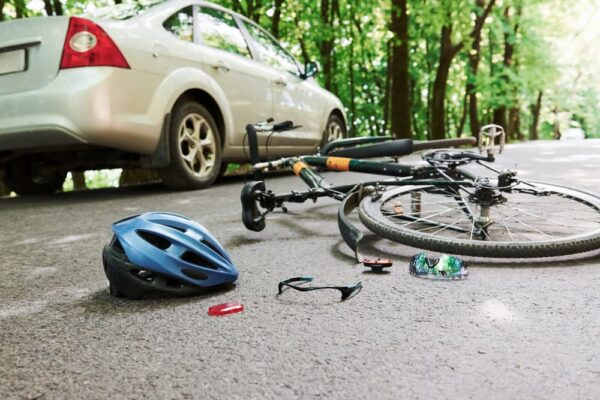 A right hook accident happens when a driver overtakes a cyclist traveling in the same direction and then makes a sudden right turn, cutting the cyclist off or hitting them broadside. These collisions are especially dangerous because the cyclist is often squeezed between the vehicle and the curb, with nowhere to escape.
These crashes are common on busy roads where drivers make quick turns into parking lots, like along Fall Creek Road or in shopping districts in Fishers. They tend to happen when drivers:
- Fail to check mirrors or blind spots
- Misjudge a cyclist’s speed
- Forget to signal
Drivers are expected to yield to cyclists when turning right. When they don’t, the consequences can be severe. A right hook can lead to crushed limbs, pelvis injuries, and other orthopedic trauma. If you were injured in a right-hook crash, seek medical care right away and then speak to a bicycle accident attorney who can help protect your rights.
Dooring Incidents: Hidden Dangers in Parked Cars
Dooring accidents may seem minor, but they can cause major trauma. This type of crash happens when someone opens a car door into a cyclist’s path without checking for oncoming riders. Cyclists may hit the door head-on or swerve into traffic trying to avoid it.
Indiana does not have a statewide “dooring law,” but many municipalities, including Indianapolis, enforce local ordinances that require vehicle occupants to check for traffic before opening doors. Even when there’s no specific law cited, the driver or passenger can still be held liable under general negligence principles.
Victims of dooring accidents often suffer:
- Dental and facial injuries from impact
- Broken hands, wrists, or ribs
- Concussions or whiplash
These crashes often occur in urban areas where cyclists ride close to parked cars, especially when designated bike lanes are not protected by a buffer zone.
Intersection Bicycle Accidents in Indiana
Intersections are one of the most dangerous places for cyclists in Indiana. The mix of cross traffic, signals, turn lanes, and limited visibility makes intersections a hotspot for bicycle crashes.
Cyclists may be hit by a car running a red light, turning without yielding, or pulling out from a side street. Drivers who are distracted, unfamiliar with bike laws, or rushing to make a light may ignore a cyclist’s right-of-way.
To reduce your risk at intersections:
- Make eye contact with nearby drivers
- Avoid riding in blind spots or too close to the curb
- Signal your intentions clearly when turning
If you were hit at an intersection, gathering evidence like traffic light timing, dash cam footage, and witness statements will be key in building your claim.
Unsafe passing accidents: Squeezed off the road
 Some of the most terrifying crashes for cyclists happen when a vehicle passes too closely. These accidents may not involve a direct turn or door opening, but they are no less dangerous. Drivers who misjudge their distance or try to pass without giving enough space can sideswipe a cyclist or force them off the road entirely.
These types of crashes are especially common on two-lane roads throughout Fishers, Noblesville, and Cicero, where there may be no designated bike lane or shoulder. In rural or suburban areas with limited visibility, high speeds, or narrow roads, drivers may not feel they have time to wait for a safe passing opportunity, and that impatience puts cyclists at serious risk.
These are often the result of:
- Distracted driving
- Poor lane discipline
- Aggressive or impatient drivers
- Lack of dedicated bike infrastructure
In Fishers and surrounding Hamilton County, some roads lack bike lanes or have narrow shoulders, making it harder for cyclists and cars to safely share the space. Indiana traffic law IC 9-21-8-27 requires drivers to leave a safe distance when passing a cyclist. Violating this rule can form the basis for a negligence claim.
Side-Swipe and Passing Accidents: Not Enough Space to Share
When a car tries to pass a cyclist but doesn’t allow enough space, the result can be a side-swipe crash. These accidents occur when the vehicle brushes against the cyclist, often at high speed, causing loss of control, crashing into parked cars, or being thrown from the bike altogether.
Indiana law requires motorists to “pass safely at a distance of at least three feet” when overtaking bicycles, but that space is rarely respected. On two-lane roads common around Fishers or more rural areas like Noblesville or Cicero, drivers may feel pressured to pass quickly, squeezing cyclists to the edge of the road or forcing them into gravel or ditches.
Cyclists struck this way often suffer:
- Severe road rash and skin abrasions
- Arm and shoulder injuries
- Head trauma from striking the pavement
Establishing fault in a side-swipe incident can be difficult without camera footage or witnesses, but these are actionable claims that deserve investigation.
Rear-End Collisions: Low Visibility, High Impact
Rear-end bicycle collisions often happen when a motorist fails to see a cyclist stopped at an intersection or traveling at a slower pace. These are especially common at dusk or dawn, or in poor weather, when visibility is low.
Despite being relatively low in speed compared to other collisions, rear-end bike accidents can lead to significant trauma:
- Spinal compression injuries
- Concussions and traumatic brain injuries
- Pelvic or lower back injuries
A common scenario involves a cyclist waiting at a stoplight when a distracted driver, checking their phone or adjusting the radio, fails to stop in time. These accidents frequently involve distracted or impaired drivers and may open the door to claims for punitive damages in rare cases where recklessness is evident.
Car vs. Bicycle Collisions at Driveways and Parking Lot Exits
One often-overlooked danger occurs when a vehicle pulls out of a driveway, alley, or parking lot and collides with a passing cyclist. Because drivers tend to look for other vehicles, not bikes, they may only glance in one direction before pulling out, putting cyclists at risk.
In Fishers, this is common in retail areas like the Hamilton Town Center, where frequent driveways cross sidewalks or mixed-use paths. When drivers don’t stop completely before the sidewalk, cyclists may have no time to stop or swerve.
These types of bike crashes often involve:
- Knee and leg injuries
- Bike frame damage
- Dental and facial trauma
Responsibility may fall on the driver, especially if they failed to yield or didn’t check both directions before moving forward.
What If You’re Blamed for the Bicycle Crash?
Insurance companies may try to shift the blame to you, arguing that you weren’t visible, didn’t signal, or weren’t in a designated bike lane. But fault isn’t always clear-cut, and Indiana law allows for partial fault without completely barring your claim.
Indiana follows a modified comparative fault rule under IC 34-51-2-6. This means:
- You can still recover compensation if you were 50% or less at fault
- Your total compensation is reduced by your percentage of fault
- If you’re found 51% or more at fault, you cannot recover compensation
Because these determinations often depend on subjective or incomplete information, it’s essential to work with a lawyer who can reconstruct the crash and present clear evidence.
What to Do After a Bicycle Accident in Indiana
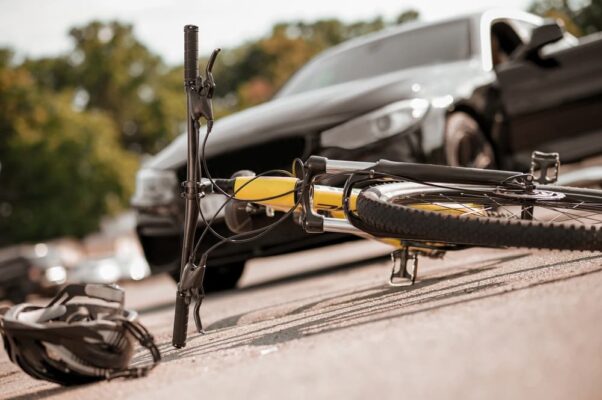 If you’ve already been injured in a bicycle crash, your first priority should be medical care. Once your condition is stable, there are other steps you can take to protect your rights and your potential claim. These steps are not about blaming anyone—they’re about making sure your story is documented and supported by evidence.
Here are some actions that can support your claim:
- Hire a lawyer: An attorney can guide you through the legal process and deal directly with insurers so you can focus on recovery. They will also gather evidence that may otherwise be lost or erased after a few days or weeks.
- Follow all medical treatment plans: Insurance companies may view skipping treatments to minimize your injuries later.
- Document your injuries: Take photos of visible injuries and write or record your symptoms and limitations daily. Doing this can serve as evidence for your pain and suffering damages.
- Preserve your bike and gear: These items may hold clues to impact direction, force, or points of contact
- Avoid discussing fault: Don’t post about the crash on social media or admit fault to anyone without legal counsel
These steps may feel small, but together they can make a significant difference in how your case is evaluated and resolved.
Legal Help for Bicycle Accidents in Indiana
Indiana law gives injured cyclists the right to file a claim for financial losses related to a crash. These claims can help you recover compensation for both economic and non-economic damages. Depending on the facts of your case, your claim might include:
- Emergency room visits and hospitalization
- Ongoing physical therapy or surgical care
- Time off work and future lost income
- Pain and suffering
- Permanent scarring or disfigurement
The key to building a strong claim lies in documentation, legal experience, and timely action. In Indiana, the deadline to file a personal injury lawsuit, known as the statute of limitations, is two years from the date of the crash under IC 34-11-2-4.
Questions Bicycle Accident Victims Often Ask
Hit-and-run bicycle crashes are serious criminal matters in Indiana. Even if the driver can’t be located, you may be able to file an uninsured motorist claim through your own auto insurance if you carry that coverage. An attorney can help explore all avenues for compensation.
While not required, a police report provides crucial documentation of the crash. It often includes statements from witnesses, diagrams, and the responding officer’s initial determination of fault. If you didn’t get a report, you can still file a claim, but expect a more difficult battle with the insurer.
Indiana does not require adults to wear bicycle helmets. Not wearing one doesn’t automatically prevent you from recovering damages. However, insurers may argue that your injuries were worse because of it. A skilled lawyer can help push back against these claims.
Yes. If a child is injured in a bicycle accident, a parent or guardian can bring a claim on their behalf. Courts take child safety seriously, and drivers are expected to exercise extra caution in areas where kids are likely to ride.
Not necessarily. Many bicycle accident claims settle out of court through negotiations with the insurance company. However, if a fair offer isn’t made, you have the right to file a lawsuit and present your case to a jury. Your attorney will advise you based on the specific details of your situation.
Call for a Free Consultation with an Indiana Bicycle Accident Lawyer Today
If you’ve been injured in a bicycle accident in Indiana, don’t wait to get the legal help you need. Your health, your financial future, and your ability to move forward may all depend on what you do next. You shouldn’t have to handle insurance adjusters, accident investigations, and medical bills while trying to heal. Most of all, you should never find yourself in a situation where you’re paying for someone else’s mistake out of pocket.
At Wyant Law, we provide personalized attention, compassionate legal guidance, and unrelenting support to injured cyclists across Fishers and Hamilton County. Attorney Chris Wyant takes the time to listen, understand your concerns, and explain your options without pressure. With over 20 years of experience handling Indiana personal injury claims, he’s ready to help you pursue the full and fair compensation you’re owed.
Call (317) 683-0333 or contact us online to schedule your free case evaluation.