

More than 82,000 motorcyclists were injured on U.S. roads in one recent year, according to data from the National Highway Traffic Safety Administration (NHTSA). While many of these crashes involve another vehicle, a large percentage are linked to hazardous road conditions, such as potholes, loose gravel, standing water, and road debris.
If you’ve been in a motorcycle accident caused by a road hazard, you’re likely dealing with more than injuries. You may be facing lost income, growing medical bills, and frustration over unanswered questions. You know you weren’t at fault, so can anyone be held liable?
Road hazard crash cases in Indiana can be complicated. They often involve issues like poor maintenance, infrastructure defects, debris, and other problems that fall outside the control of any one driver. If you’re in Indiana and wondering who can be held accountable, an experienced motorcycle accident lawyer can help you explore your options for legal action.
Key Takeaways for Road Hazard Motorcycle Crash Cases
- Road hazards like potholes, gravel, or standing water are a leading factor in motorcycle-only crashes.
- Indiana law allows claims against government agencies, but strict notice deadlines apply.
- Gathering timely evidence is critical, especially when the hazard is removed or repaired quickly.
- Motorcycle accident victims may seek damages for medical bills, missed work, and emotional hardship.
- Wyant Law helps injured riders build strong claims against cities, counties, and contractors.
Road Conditions That Can Lead to Serious Motorcycle Crashes
Some road hazards are obvious. Others blend into the background until it’s too late. Unlike cars, motorcycles offer little protection during a collision, and they’re far more sensitive to surface changes.
Motorcycle crashes linked to road hazards often share one thing in common: they happen fast and without warning. You may not even know what caused the wreck until you retrace the scene with a trained investigator. Some common hazards that threaten motorcycle include:
- Potholes and crumbling asphalt: Large or hidden pavement gaps can cause a front-wheel drop and instant loss of control.
- Loose gravel or sand: Especially common near driveways, rural intersections, or road shoulders — easily missed until the bike slides out.
- Road debris: Blown tire pieces, fallen branches, or even spilled cargo from trucks can throw riders off balance.
- Poor drainage or pooling water: Slick surfaces reduce tire grip and increase hydroplaning risk.
- Uneven grading or missing signage: Sudden elevation changes or lack of warning signs give riders no time to adjust.
These hazards reflect a failure to inspect, repair, or warn. If the responsible party failed in that duty, they may be held liable.
Who May Be Liable for a Road Hazard Motorcycle Accident?
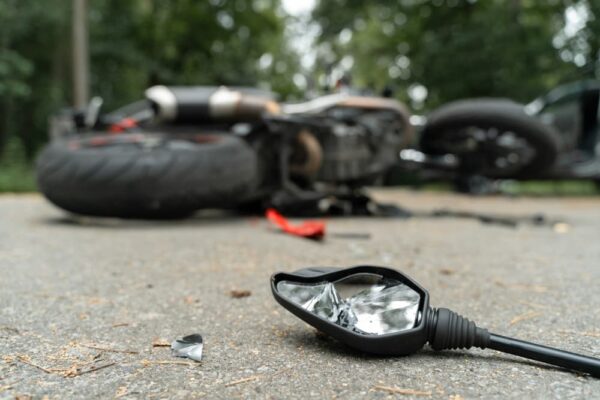 Roadway responsibility in Indiana depends on jurisdiction, location, and maintenance agreements. You may think of it as a single public road, but it might fall under the care of several different parties.
Holding the right entity accountable is key. It could be a city that ignored complaints about loose gravel. A county that delayed a known repair. Or a contractor that left debris behind after resurfacing work. Liability often depends on whether the hazard was reported or should have been discovered through reasonable inspection.
Commonly responsible parties include:
- The Indiana Department of Transportation (INDOT): manages interstates and state highways like I-69, US-31, and IN-37
- County highway departments: responsible for rural or county-maintained roads throughout Hamilton County and beyond
- Municipal public works departments: maintain local streets within city limits, including neighborhoods in Fishers, Carmel, and Noblesville
- Private contractors or utility companies: often responsible for cleanup and safety after construction or service work
- Commercial landowners: in rare cases, roadside conditions caused by runoff, erosion, or illegal dumping may fall on private property owners
Because liability often rests on jurisdiction and maintenance duties, these cases require a legal team that knows how to track down the proper authority, seek answers, and demand accountability.
When a Government Entity is Liable: Legal Options for Injured Riders in Indiana
Suing the government is possible, but it’s not like filing a typical insurance claim. Indiana law limits how and when you can bring a case against public entities, and failing to follow the proper steps could block your claim entirely.
Under the Indiana Tort Claims Act (Indiana Code § 34-13-3), you must file a Tort Claims Notice within 180 days of the crash if you believe a state or local government was responsible. However, some government functions may still be immune from liability, even with proper notice.
You also need to prove four legal elements:
- The responsible party had a duty to maintain a safe road
- They breached that duty by failing to act
- The hazard directly caused your accident
- You suffered real losses as a result
This is where many riders hit a wall. Agencies may claim they didn’t know about the hazard or had no time to fix it. Your legal team’s job is to challenge those assumptions and present compelling evidence of negligent maintenance or infrastructure failure.
Proving That a Road Hazard Caused Your Motorcycle Crash
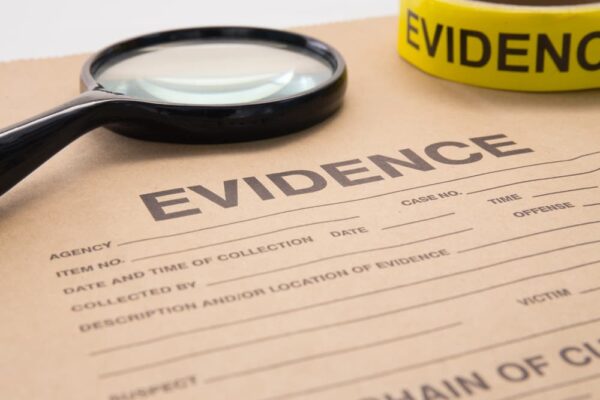 Evidence disappears fast after a crash, especially when the hazard is temporary. Road crews may patch the pavement, remove the debris, or clear signage issues within hours. That’s why timely documentation is essential. Evidence that may strengthen your claim includes:
- Photos of the accident scene: If safe, take wide shots and close-ups of the hazard, damage, and road layout.
- Traffic camera footage: Many roads and highways are equipped with traffic surveillance cameras that may show how the crash happened.
- Police report details: Officers may note poor conditions, debris, or missing signage in their report.
- Witness statements: Testimony from others who saw the crash or previously encountered the hazard can help.
- Maintenance logs: Your attorney may obtain records showing prior complaints or skipped inspections.
- Crash reconstruction: Experts can analyze how road design or defects contributed to the accident.
This isn’t something to handle alone. Your legal team can begin the investigation, secure time-sensitive records, and prepare for pushback from public agencies.
What to Do After a Road Hazard Motorcycle Accident
Once you’ve received medical care, there are still steps you can take to protect your claim. Road hazard crashes may not involve another vehicle, but they’re no less serious — and no less worthy of investigation.
Begin with these:
- Hire a lawyer immediately so evidence can be preserved before it’s gone.
- Document all injuries and recovery steps, including photos, treatment summaries, and journal entries.
- Stick to your medical plan, including follow-up care and therapy, to show consistent treatment.
- Report the hazard to the appropriate authority (your lawyer can help confirm the right agency).
- Avoid social media posts or speculation about the crash, which could be used against you later.
These steps help show the extent of the injuries you suffered and help your motorcycle accident attorney build a stronger case for compensable damages.
Does Comparative Fault Affect Motorcycle Road Hazard Claims in Indiana?
If you’re worried that the insurance company or government agency might try to blame you for the crash, you’re not alone. These claims often involve questions about speed, visibility, and rider decision-making. In Indiana, some degree of fault on your part doesn’t necessarily disqualify your claim.
Under Indiana’s modified comparative fault rule, found in Indiana Code § 34-51-2, you may still recover compensation as long as you were 50% or less at fault. However, your total compensation will be reduced by your percentage of fault.
So if you’re found 20% responsible for the crash — maybe for riding slightly above the posted speed limit or not wearing a motorcycle helmet — your award would be reduced by 20%. But if your share of fault reaches 51% or higher, you would be barred from recovering anything.
Comparative fault rules underscore why legal support is so important. Insurance carriers and public entities often shift blame onto riders, even subtly, to reduce what they might owe. A knowledgeable attorney can push back with evidence and input from qualified experts to keep the focus where it belongs — on the hazard that caused the crash.
How Can a Motorcycle Accident Lawyer Help Riders Injured by Dangerous Roads?
Legal claims involving road hazards are about accountability as much as they’re about liability. Someone failed to maintain a safe road, respond to complaints, or secure a work zone, and now you’re left dealing with the consequences.
A personal injury lawyer experienced in handling motorcycle crash claims should take the time to listen to you and your experience, review the facts, investigate your case, and fight for full and fair compensation. You should work with a lawyer who:
- Investigates quickly to preserve photos, witness statements, and public records before they disappear
- Identifies the correct party, whether state, local, or private, and files all required notices and documents
- Works with experts when needed to analyze road defects and demonstrate how they contributed to the crash
- Handles negotiations directly with government insurers or defense lawyers, so you don’t have to deal with that stress
- Prepares for trial if a fair settlement isn’t offered, backed by real courtroom experience
The goal is simple: take the pressure off you so you can focus on healing, while the firm builds a compelling claim for recovery.
Types of Losses You Can Include in a Motorcycle Injury Claim
 Crashes caused by unsafe roads often result in severe injuries. Road rash, broken bones, concussions, and spinal damage are common outcomes. But the financial and emotional impact can extend well beyond the hospital.
Indiana law allows injured riders to claim both economic and non-economic damages, which are calculated based on medical records, employment data, and your lived experience since the crash.
If you’re missing work, going to appointments, or struggling to sleep, those losses become a major part of your claim. Pain and mental health changes are valid and compensable, as well, even if they aren’t listed on an invoice.
There’s also long-term impact to consider: Will you need surgery later? Will you ride again? These questions shape what your case is truly worth and deserve careful attention from your legal team.
How Long Do You Have to File a Claim?
In Indiana, most personal injury claims, including those involving road hazard crashes, must be filed within two years of the date of the accident under the Indiana Statute of Limitations (Indiana Code § 34-11-2-4).
But that doesn’t apply when the defendant is a government agency. In those cases, you have only 180 days to submit a Tort Claims Notice. That short window can close quickly, especially when you’re focused on physical recovery.
If you miss the notice deadline, your right to compensation may be lost entirely — even if you have strong evidence. That’s why riders injured in a motorcycle accident caused by poor road conditions should speak to a lawyer immediately. Early action protects your rights and gives your legal team time to build a solid claim.
Questions Motorcycle Riders Ask About Road Hazard Accidents
If your crash happened near or inside a construction zone, liability could fall on the contractor responsible for traffic control and cleanup. Contractors must follow specific safety standards when managing roadwork. Failure to provide proper signage, barriers, or debris removal could make them legally accountable.
Yes. Reporting the condition to the correct city, county, or state agency helps create a record of the issue. If you’re unsure which department to contact, your lawyer can assist with identifying the right jurisdiction and filing the report appropriately.
Delayed medical treatment may be used against you by the insurer or government. However, it’s common for some injuries, like concussions or soft-tissue damage, to show up later. Seek care as soon as symptoms emerge, and document everything to strengthen your case.
Your own policy may include med-pay or uninsured/underinsured motorist coverage, which could offer some financial support. These benefits are often limited and may not apply if no other driver was involved. An attorney can review your policy to identify potential coverage.
Yes. Even when fault seems clear, road hazard cases are technical and procedural. Government agencies are protected by specific immunity laws and strict deadlines. A lawyer helps you avoid mistakes, gather strong evidence, and hold the right party accountable.
Getting Help After a Motorcycle Accident Caused by a Road Hazard
Every rider knows the risks of the open road, but no one expects to crash because of a hazard that should have been fixed, flagged, or cleaned up. If a poorly maintained roadway caused your crash, you have the right to ask why and to hold the responsible party accountable.
Wyant Law helps riders across Fishers, Hamilton County, and throughout Indiana pursue fair compensation after a serious crash. Chris Wyant handles every case directly, providing honest answers and aggressive representation backed by more than 20 years of experience.
You don’t have to manage this process alone. Call Wyant Law at (317) 683-0333 or contact us online to schedule a free consultation and learn what options are available.